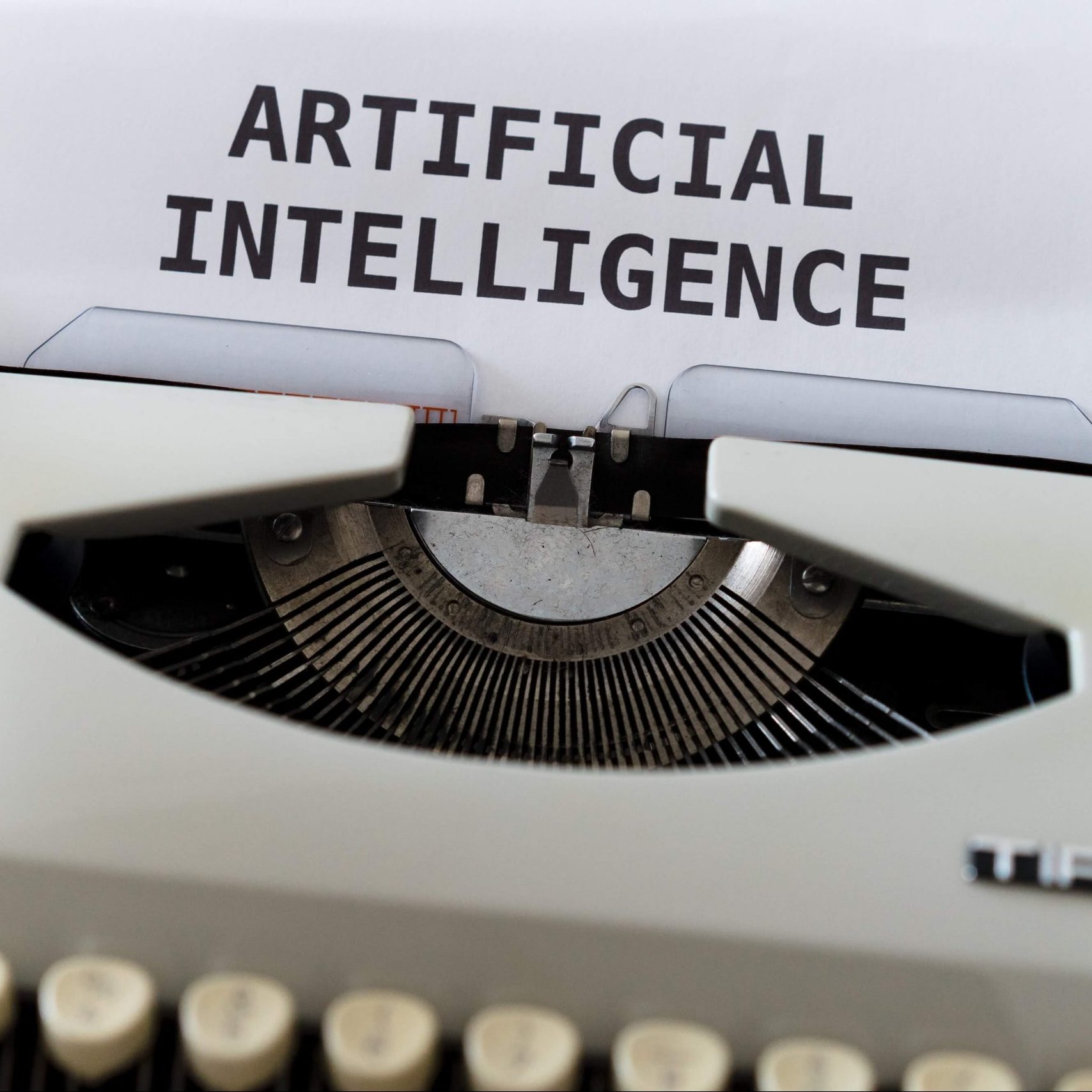
Our think tank has analyzed Artificial Intelligence from several points of view: its technological development and the capabilities and impacts it will have on our lives in the next 10 years.
What is Artificial Intelligence?
Artificial Intelligence is everywhere: it chooses our music, television shows, books, and forms of transportation. It answers every online search. It obeys our orders at home as well as those of governments, business and all types of organizations. It can see, read, listen and answer questions. It can both clean the floor and write news articles. It translates texts and can recommend business strategies or a good diet. It analyzes our health, helps us drive or assists in hiring employees. It learns from us to improve itself. It is artificial intelligence or AI hereinafter.
Almost without us realizing it, AI has been integrating itself into our daily lives. We carry it around in our pockets, on our screens. We have it at home, at school, at work and even as part of our leisure time. It is present in the services, industrial and agricultural sectors. It has had different levels of success, but it is paving the way for customization in areas such as medicine, education, even beauty and, in general, consumption. It also focuses on optimization, whether that is related to traffic, the supply chain, crops as well as mental and physical corporate performance. It can even compose music or create art.
The areas of business management and optimization, marketing and advertising, health and well-being, mobility, finance, legal services and policing, logistics and employment are the AI areas that the FTF experts highlighted.
Before we implement and use a given technology, we must weigh its benefits and drawbacks. Artificial intelligence is one of the most socially and ethically challenging technologies. All its applications come with benefits, but, at the very least, there are risks and challenges surrounding this technology’s implementation.
There are two main trends concerning the limits of AI’s technical development.
The first trend attracts technological super optimists that think artificial super intelligence could become more powerful than anything this planet has ever seen. They believe this will be an existential challenge for humans.
The second trend pertains to skeptics that do not believe that ultra-intelligent machines will really affect us all that much. One of the supporters of this theory is Professor Luciano Floridi,, director of the Digital Ethics Lab at the University of Oxford. He defends that what really matters when developing and designing smart technologies is how we perceive our interactions, our environment and ourselves.